Bridging the Digital Divide: India’s Decade of Financial Inclusion and Public Infrastructure Transformation
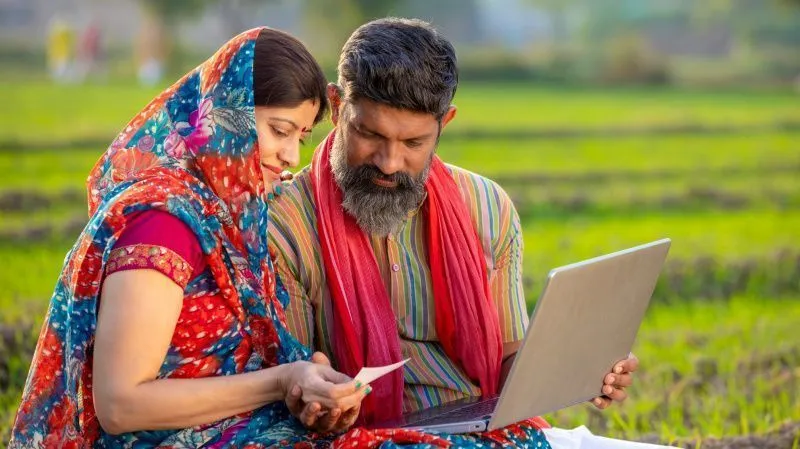
Based on insights from Mansi Kumari, coordinator and associate professor at the BRICS Research Centre, Amity University Haryana, India has achieved remarkable milestones in digital transformation over the past decade. By rapidly expanding its digital public infrastructure (DPI), the country has successfully integrated approximately 500 million people into the formal digital financial ecosystem.
Key Highlights & Takeaways
1. Rapid Financial Inclusion and Scale
- 500 Million New Users: Over the past ten years, India has brought roughly half a billion people into digital finance.
- Massive Transaction Volumes: The Unified Payments Interface (UPI)—India’s national instant interbank payment system—now handles approximately 20 billion transactions per month.
- Cashless Convenience: Smartphone users can seamlessly execute microtransactions (e.g., transferring as little as 10 rupees) without needing physical wallets or cash.
2. Universal Digital Identity (Aadhaar) & Paperless Governance
- 99% Coverage: Approximately 1.4 billion people (roughly 99% of India’s population) hold an Aadhaar unique identity number.
- Streamlined Bureaucracy: Citizens can update names, addresses, and other personal details online without visiting government offices.
- DigiLocker Integration: Platforms like DigiLocker allow citizens to store and present official documents securely via their smartphones, eliminating the need to carry physical paperwork.
3. Rural and Grassroots Digital Adoption
- High Connectivity: India boasts over 1 billion mobile users and around 1 billion active internet users, with roughly 70% of the total population online.
- Beyond Urban Centers: More than half of these digital and internet users reside in rural areas outside major cities, serving as a primary driver of consumption and data growth.
- Daily Tech Habit: About 44% of Indian internet users interact with artificial intelligence daily, and 90% access the internet every day on an active basis.
4. Global South & BRICS Leadership
- Voice of the Global South: As part of its leadership vision, India aims to redefine the role of Global South nations, fostering innovation, resilience, and stability on the international stage.
- Multilateral Collaboration: Through platforms like the BRICS media network and programs like “BRICS Dialogues,” India promotes cross-national cooperation and elevates diverse geopolitical perspectives.